Symposium
Athlete Development & Sports Rehabilitation
Brain Injury
Clinical Practice
Kayla Covert, n/a (she/her/hers)
Research Scientist
Baylor Scott & White Research Institute
Dallas, Texas, United States
Morgan O'Neil
Investigator
Spaulding Rehabilitation Hospital
Cambridge, MA, United States
Katelyn D. Bosteder, MS, CCRP, ACSM-CEP, EIM III (she/her/hers)
Research Scientist
Baylor Scott & White Research Institute
Frisco, Texas, United States
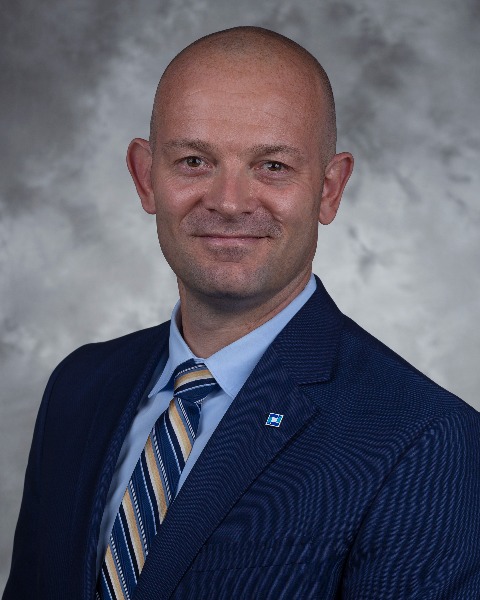
Simon Driver, PhD (he/him/his)
Chief Scientific Officer
Baylor Scott and White Research Institute
Dallas, Texas, United States
Traditional aerobic exercise has long been a cornerstone of concussion rehabilitation, but dynamic exercise—functional, multi-system movement that mimics real-life demands—may offer untapped potential for more effective recovery. This session challenges the status quo, comparing the roles of traditional and dynamic exercise in adolescent concussion care.
Attendees will explore the limitations of current return-to-play (RTP) protocols, particularly around symptom provocation and submaximal testing, and evaluate how dynamic movement strategies can improve both assessment and treatment. Through case examples and evidence-informed practices, the session will highlight how dynamic exercise can reveal hidden deficits, better guide progression, and reduce the risk of premature return to activity.
Participants will leave equipped with practical tools to apply evidence-based exercise progressions that integrate dynamic training, enhancing clinical decision-making and supporting safer, individualized recovery for youth athletes.
.jpg)
.jpg)
.jpg)
.jpg)
.jpg)