Symposium
Brain Injury
Athlete Development & Sports Rehabilitation
Behavioral Health Sciences
Brain Injury
Neuroplasticity
Katherine E. Buzzanca-Fried, PhD (she/her/hers)
Postdoctoral Associate
University of Florida and Brooks Rehabilitation
St. Augustine, FL, United States
Nicole Ferrier, MA, CCC-SLP, CBIS
Speech Pathologist
Brooks Rehabilitation
Jacksonville, FL, United States
Elise Arnold, OTR/L
Occupational Therapist
Brooks Rehabilitation
Jacksonville, FL, United States
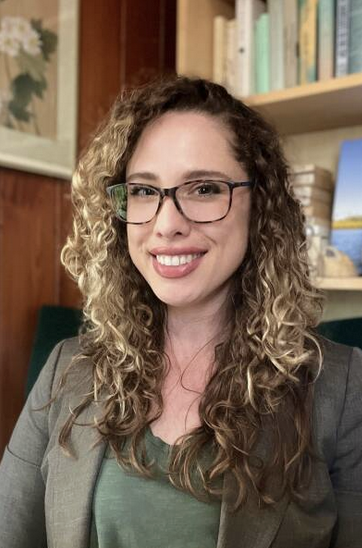
Aliyah Snyder, PhD
Clinical Assistant Professor
Uninversity of Florida, University of California Los Angeles
Gainesville, Florida, United States
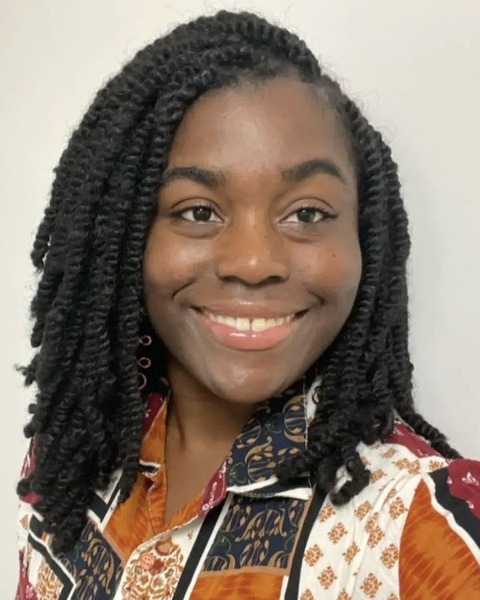
Schuyler J.C White, PT, DPT (she/her/hers)
Physical Therapist
Brooks Rehabilitation
Jacksonville, FL, United States
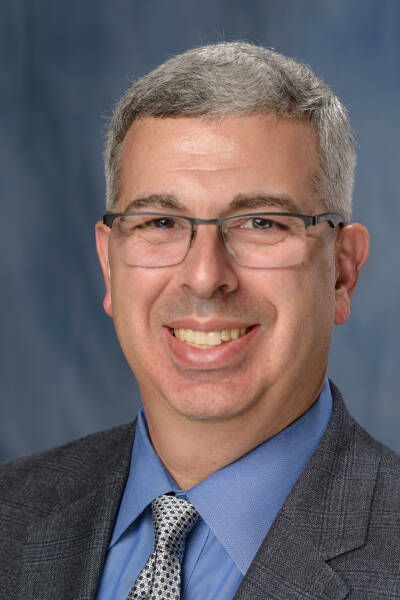
Michael Jaffee, M.D., FAAN, FANA
Chair and Professor of Neurology
The University of Florida College of Medicine, Department of Neurology
Gainesville, Florida, United States
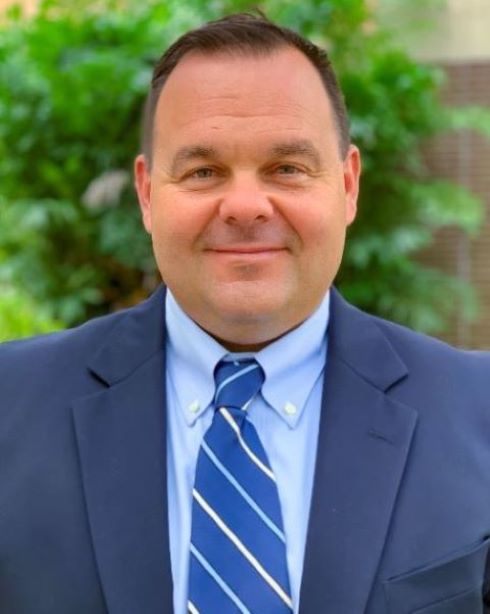
Jason M. Beneciuk, PT, DPT, PhD, MPH
Research Associate Professor
University of Florida and Brooks Rehabilitation
Jacksonville, Florida, United States
Why do up to 30% of people continue to struggle with fatigue, headaches, brain fog, and emotional changes long after a concussion? These persisting symptoms are driven by multifactorial processes—including neurometabolic changes, neuroplastic adaptations, and psychological responses—yet the interplay of these factors remains poorly understood. This complexity creates major challenges in clinical care, where symptoms are too often addressed in isolation.
This symposium will draw on emerging evidence from neuroscience, psychology, and rehabilitation to outline current challenges in physical therapy, speech-language pathology, and occupational therapy, as well as critical gaps in research. We will review the development and rationale behind a multifactorial, rehabilitation-focused framework and demonstrate practical ways to apply this lens in clinical practice. We will also highlight how our group has recently used this multifactorial perspective in new research proposals, showing its potential to drive more integrated, patient-centered rehabilitation strategies.
Designed for interdisciplinary clinicians, rehabilitation researchers (clinical and translational), and trainees at all stages, this session provides real-world insights into underrecognized contributors to prolonged concussion symptoms and offers a fresh framework to guide both clinical care and research. Attendees will leave with practical ideas and new perspectives to improve outcomes for individuals too often left behind by fragmented systems.
.jpg)
.jpg)
.jpg)
.jpg)
.jpg)