Development Course
Leadership
Cross Cutting
Writing Grants & Getting Funded
Jereme D. Wilroy, PhD
Associate Professor
University of Alabama at Birmingham
Trussville, Alabama, United States
Robert W. Motl, PhD, FSBM, FNAK
Professor
University of Illinois Chicago
Chicago, IL, United States
Reza Ehsanian, MD PhD
Assistant professor
University of New Mexico
Albuquerque, New Mexico, United States
Stephanie Silveira
Assistant Professor
The University of Texas Health Science Center at Houston School of Public Health
Houston, TX, United States
Brian M. Sandroff
Assistant Director, Center for Neuropsychology and Neuroscience Research
Kessler Foundation
West Orange, NJ, United States
Willa P. Vo, Psy.D.
Assistant Professor
University of Texas Southwestern Medical Center
Dallas, TX, United States
Cecilia Han, PhD, ABPP-CN (she/her/hers)
Neuropsychologist
Brain & Behavior Care
Ellicott City, MD, United States
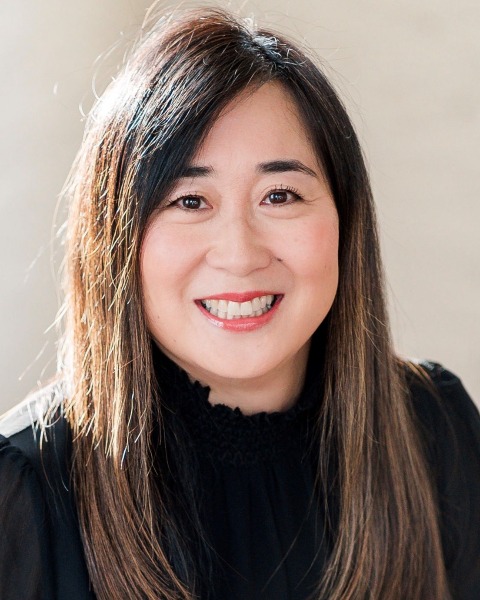
Terry Lee-Wilk, PhD
Neuropsychologist/Mental Health Special Interest Group SIG co-chair
Consortium of Multiple Sclerosis Centers
Baltimore, MD, United States
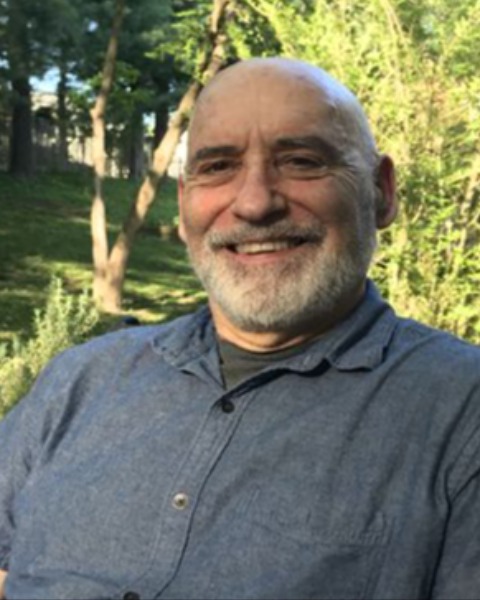
Ralph Nitkin, PhD (he/him/his)
Deputy Director, National Center for Medical Rehabilitation
NICHD/NIH
Bethesda, MD, United States
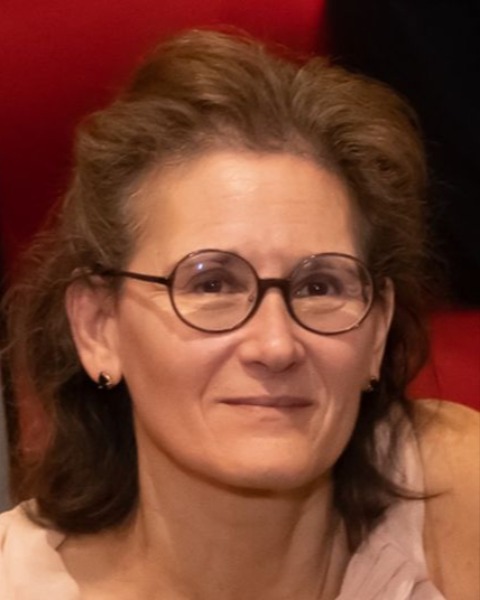
Patricia A. Dorn, PhD
Executive Director, Rehabilitation Research, Development & Translation
Department of Veterans Affairs
Washington, DC, United States
Moira Dux, PhD (she/her/hers)
Psychology Training Program Director/Neuropsychologist
VA Maryland Health Care System
Baltimore , MD, United States
Effective communication and strong teamwork are at the heart of successful rehabilitation research and clinical practice. This interactive workshop, part of the 2025 Early Career Development Course (ECDC), equips emerging professionals with practical tools to enhance collaboration, resolve conflicts, and build resilient teams.
Participants will explore strategies for communicating with clarity and confidence across diverse settings, including interdisciplinary team meetings, grant applications, and patient-centered care. Key topics include active listening, addressing conflict professionally, navigating power dynamics, and giving and receiving constructive feedback. Emphasis will be placed on applying these skills to real-world scenarios where clear, solution-oriented communication is essential for advancing both science and practice.
The workshop also focuses on team building—fostering environments of trust, inclusion, and psychological safety where all members feel empowered to contribute. Attendees will identify their natural team roles, discuss how to maximize individual strengths within group settings, and learn approaches to cultivating a culture of openness, accountability, and mutual respect.
Through interactive exercises, case discussions, and peer-to-peer engagement, participants will leave with actionable strategies to improve their communication, strengthen professional relationships, and lead effective teams. By applying these skills, early career scholars will be better prepared to grow as leaders, secure research funding, and contribute to impactful, interdisciplinary collaborations.
Join us to develop the skills that ensure clarity and kindness remain central to your professional interactions—helping you build stronger teams and advance rehabilitation research and practice.
.jpg)
.jpg)
.jpg)
.jpg)
.jpg)