Symposium
Clinical Practice
Stroke
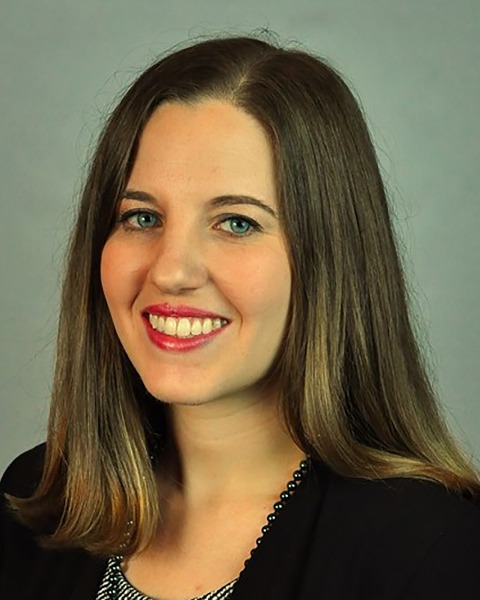
Mara Steinberg Lowe, PhD, CCC-SLP (she/her/hers)
Assistant Professor
CUNY Queens College
Flushing, NY, United States
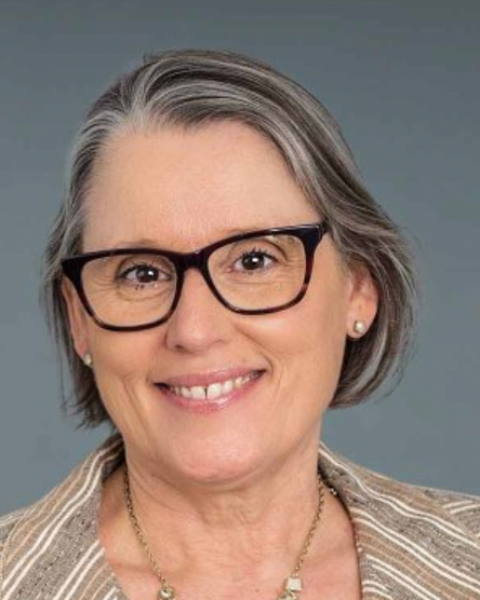
Elizabeth Galletta, PhD, CCC, CBIST (she/her/hers)
Clinical Specialist
NYU Rusk Rehabilitation
New York, NY, United States

Samir R. Belagaje, MD (he/him/his)
Assoc Professor, Neurology and Rehabilitation Medicine
Emory University
Atlanta, GA, United States
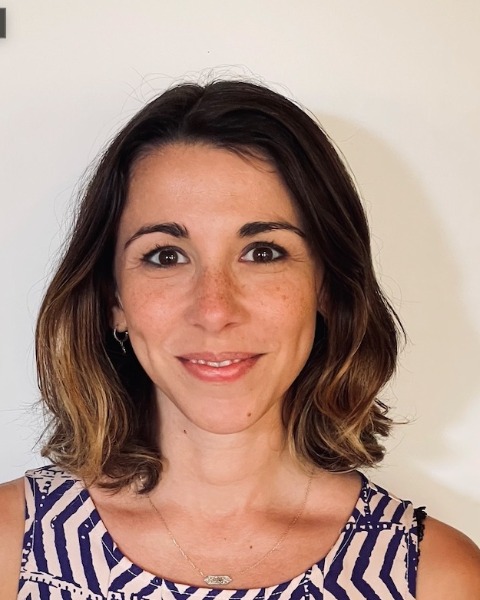
Amy Vogel-Eyny, PhD, CCC-SLP
Assistant Professor; Clinical Specialist
NYU Langone Health; Hunter College
New York, NY, United States

Emily Braun, PhD, CCC-SLP (she/her/hers)
Assistant Professor
University of Cincinnati
Cincinnati, OH, United States
Aphasia is a language disorder that affects the ability to understand and use spoken and written language, presenting significant barriers to participation in healthcare and rehabilitation. In outpatient settings, individuals with aphasia regularly interact with clinicians across disciplines, including physical therapy, occupational therapy, psychology, and medicine. These interactions often involve complex verbal information and take place in environments not designed to support communication. Without targeted strategies, patients with aphasia may be excluded from meaningful participation in their own care. This presentation reviews current evidence on communication support and offers practical approaches that interdisciplinary professionals can incorporate into routine interactions. Emphasis is placed on strategies to increase clarity, reduce linguistic demands, and support patient comprehension and expression. The session will highlight key principles, describe common barriers to implementation, and demonstrate how communication support can be embedded in standard practice.
.jpg)
.jpg)
.jpg)
.jpg)
.jpg)