Oral Presentation
Cancer Rehabilitation
Health Services Research
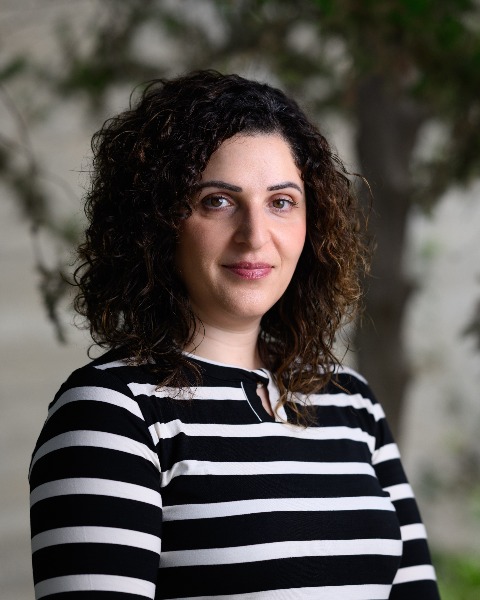
khawla loubani, PhD (she/her/hers)
Academic Researcher University lecturer
Ben-Gurion University
Nof hagalil, HaZafon, Israel
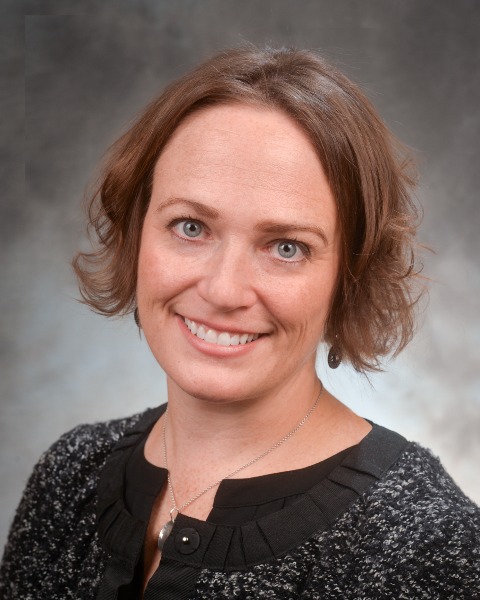
Katie M. Polo, DHS, OTR, CLT-LANA, FAOTA (she/her/hers)
Professor
School of Occupational Therapy, University of Indianapolis Pronouns: she/her/hers
Indianapolis, Indiana, United States
Taylor Brown
OTD
Indianapolis university
Indianapolis, Indiana, United States
Korrin Schalhamer
OTD
Indianapolis University
Indianapolis, United States
Alexandria Gilley
OTD
Indianapolis University
Indianapolis, United States
Morgan Jones
OTD
Indianapolis University
Indianapolis, United States
Cara Murphy
OTD
Indianapolis University
Indianapolis, United States
Olivia Witteborg
OTD
Indianapolis University
Indianapolis, United States
Rachel Graves
OTD
Indianapolis University
Indianapolis, United States
Four key themes emerged: (1) Oncologists’ perceptions—some providers believed their care was sufficient or were concerned about overburdening patients, limiting referrals; (2) Social determinants of health—disparities in referral were linked to race, age, education, and socioeconomic status, indicating systemic inequities; (3) Cancer characteristics—referral likelihood varied based on diagnosis, symptoms, stage, and timing within the cancer trajectory; and (4) Multidisciplinary communication—poor coordination, limited interprofessional education, and lack of standardized screening hindered referrals, while facilitators included team-based approaches and functional screening tools. Findings highlight gaps in provider awareness, interdisciplinary collaboration, and equitable access across the continuum of cancer care. Most existing research is concentrated in palliative settings, with limited insight into early care and survivorship phases. Addressing these barriers requires targeted efforts in provider education, systemic support for equitable referral practices, development and implementation of screening practices for rehabilitation referral, and improved interprofessional communication. Future research should evaluate the effectiveness of these strategies across diverse oncology care settings to enhance rehabilitation access and outcomes for PLWBC.Learning Objectives:
.jpg)
.jpg)
.jpg)
.jpg)
.jpg)